Mowafaq Makhoul (b. 1958) is a visionary Syrian abstract artist and a pioneer of
environmental art in the Middle East. Born in Damascus and a 1982 graduate of
the Faculty of Fine Arts at Damascus University, Makhoul has dedicated
his career to the belief that art should not be confined to galleries but
should breathe life into the streets and the hearts of the public.
Makhoul gained international acclaim as the leader of the
"Iqa'a al-Hayat" (Rhythm of Life) team. In 2014, he made history by
creating the world’s largest mural made from recycled materials in the
Al Mazzeh district of Damascus. Measuring 720 square meters and composed of
manufactured waste—including car parts, bicycle wheels, and ceramics—the mural
earned a place in the Guinness World Records. This monumental project
was more than a technical feat; it was a collaborative effort involving the
local community to "rebuild beauty from destruction" and restore hope
to a war-torn landscape.
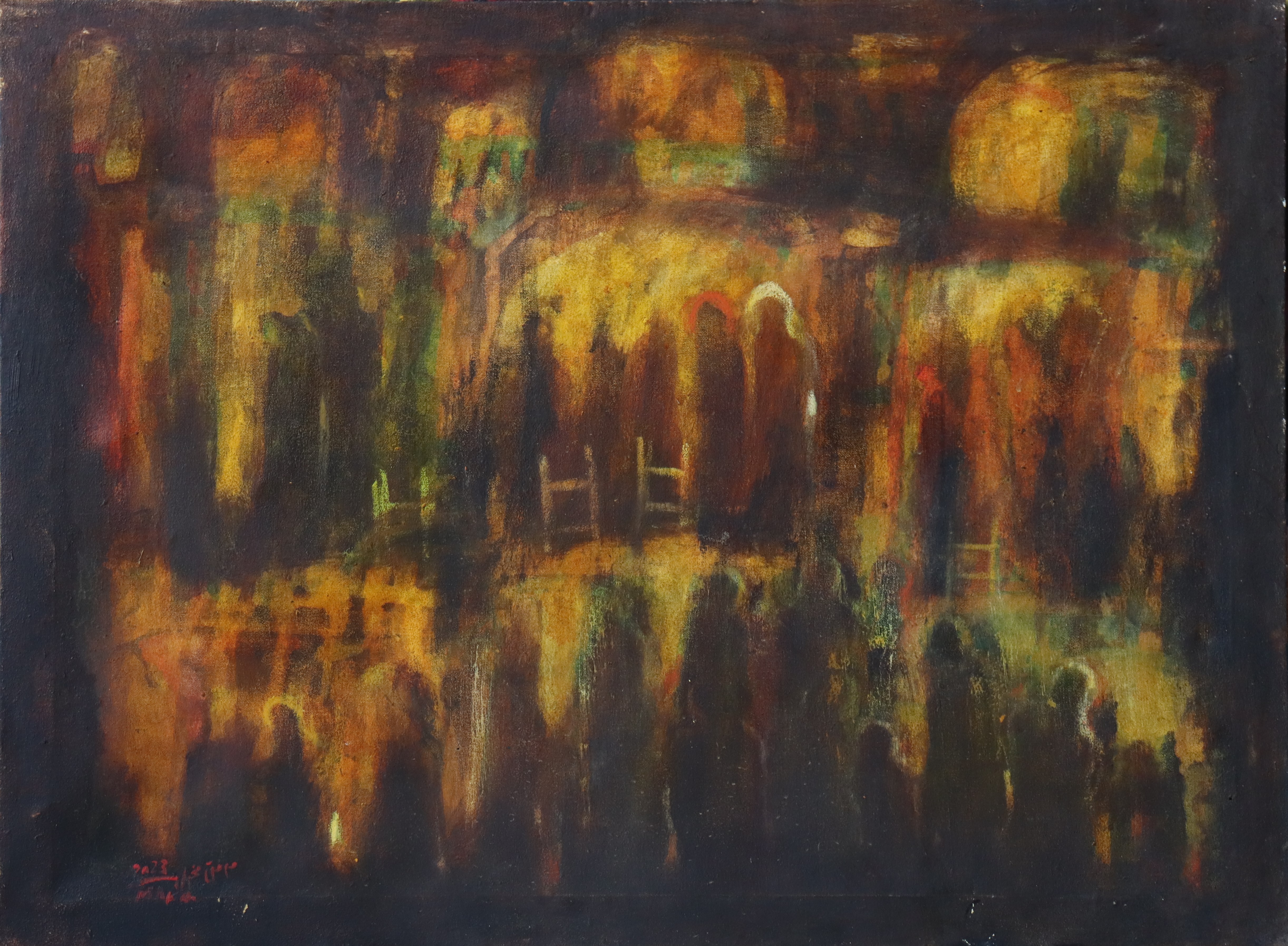
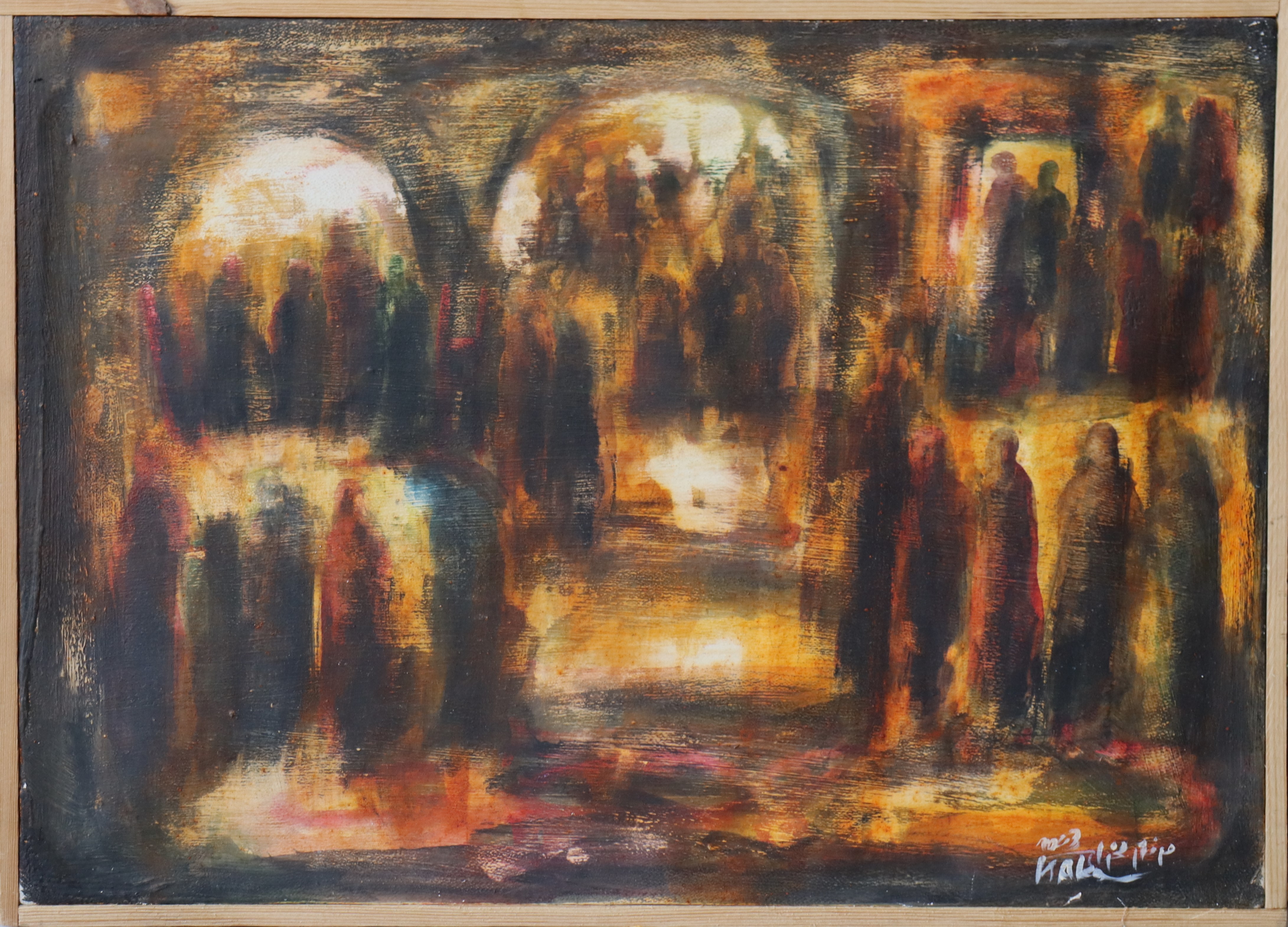
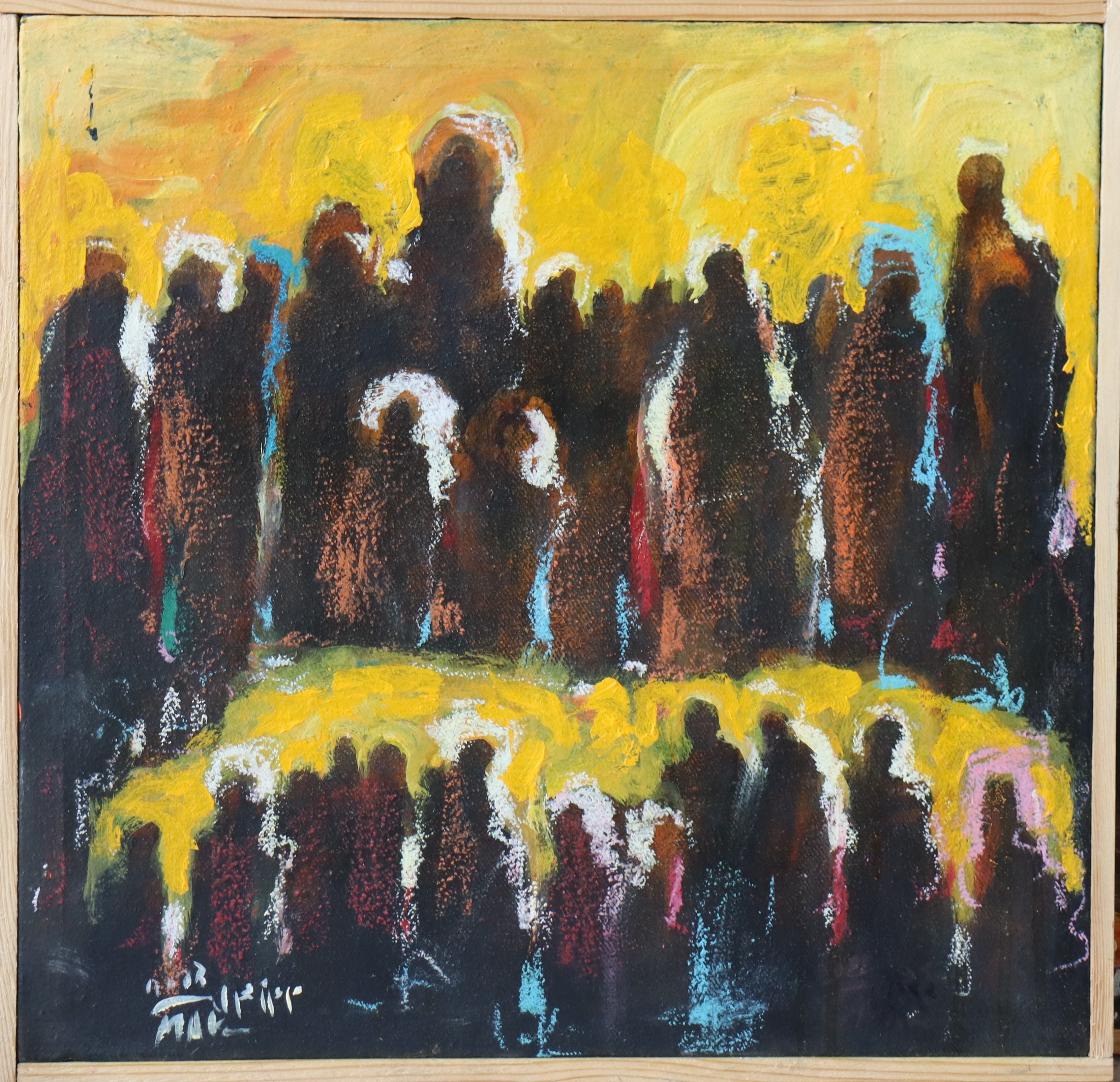
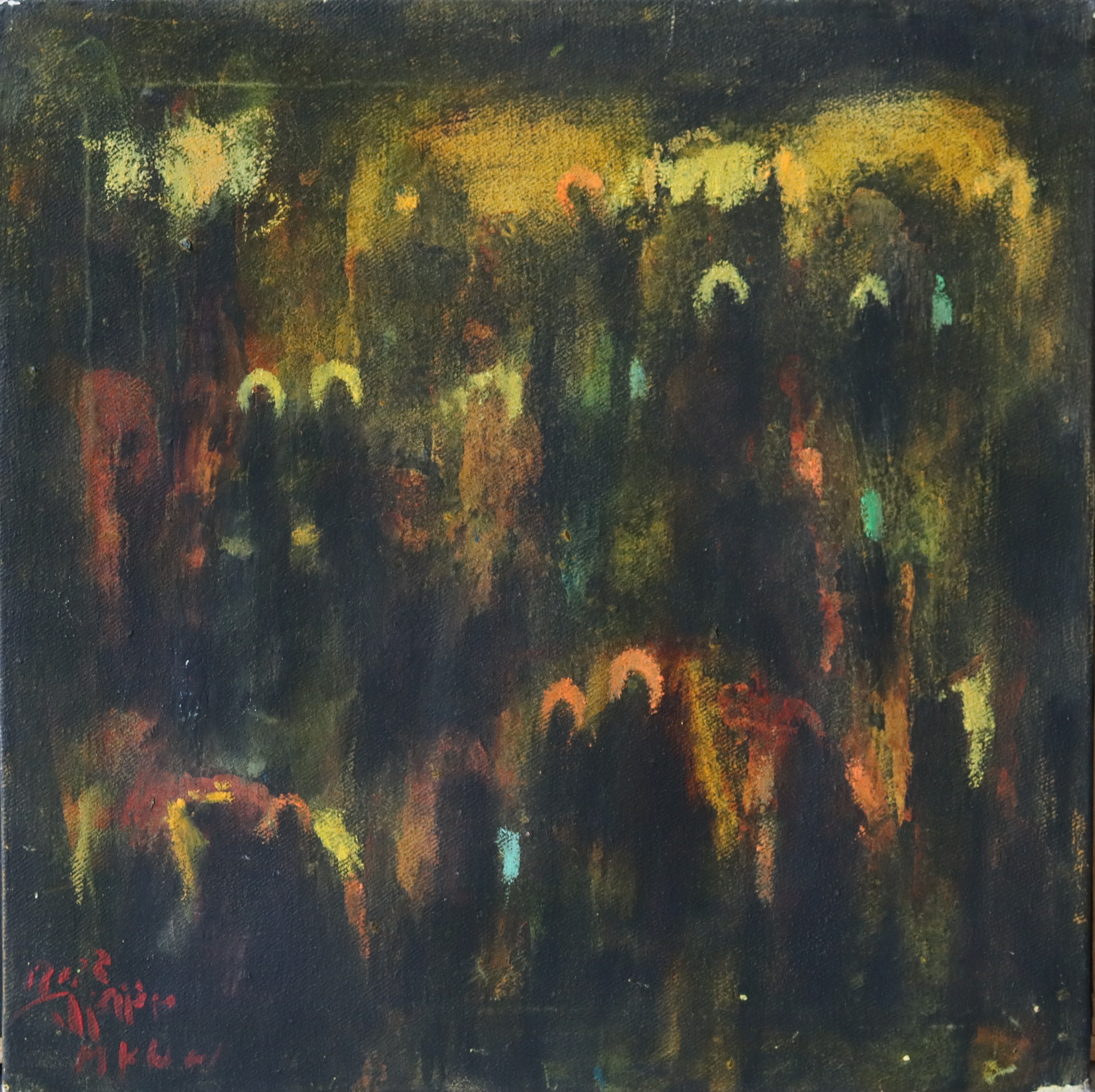
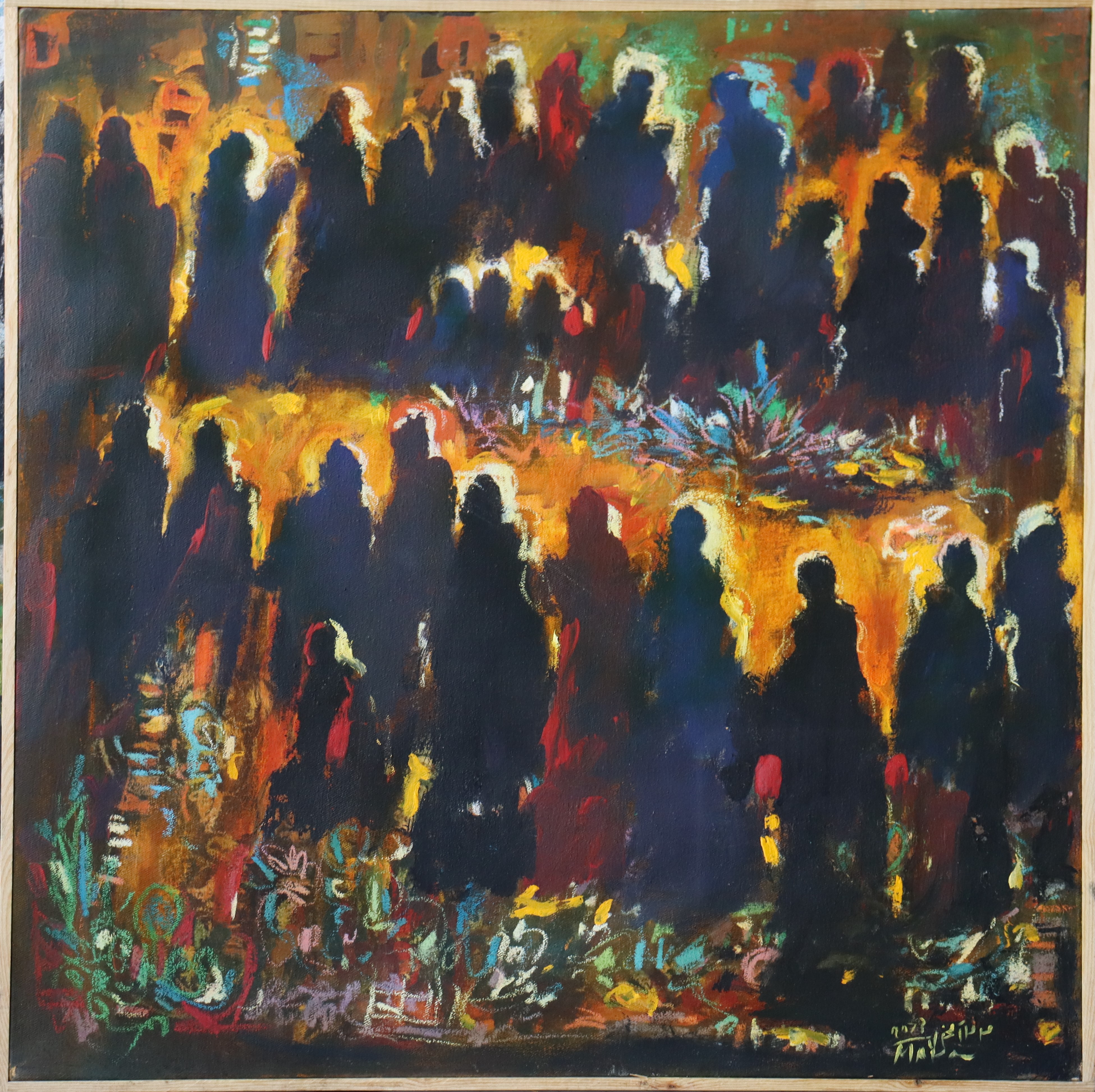
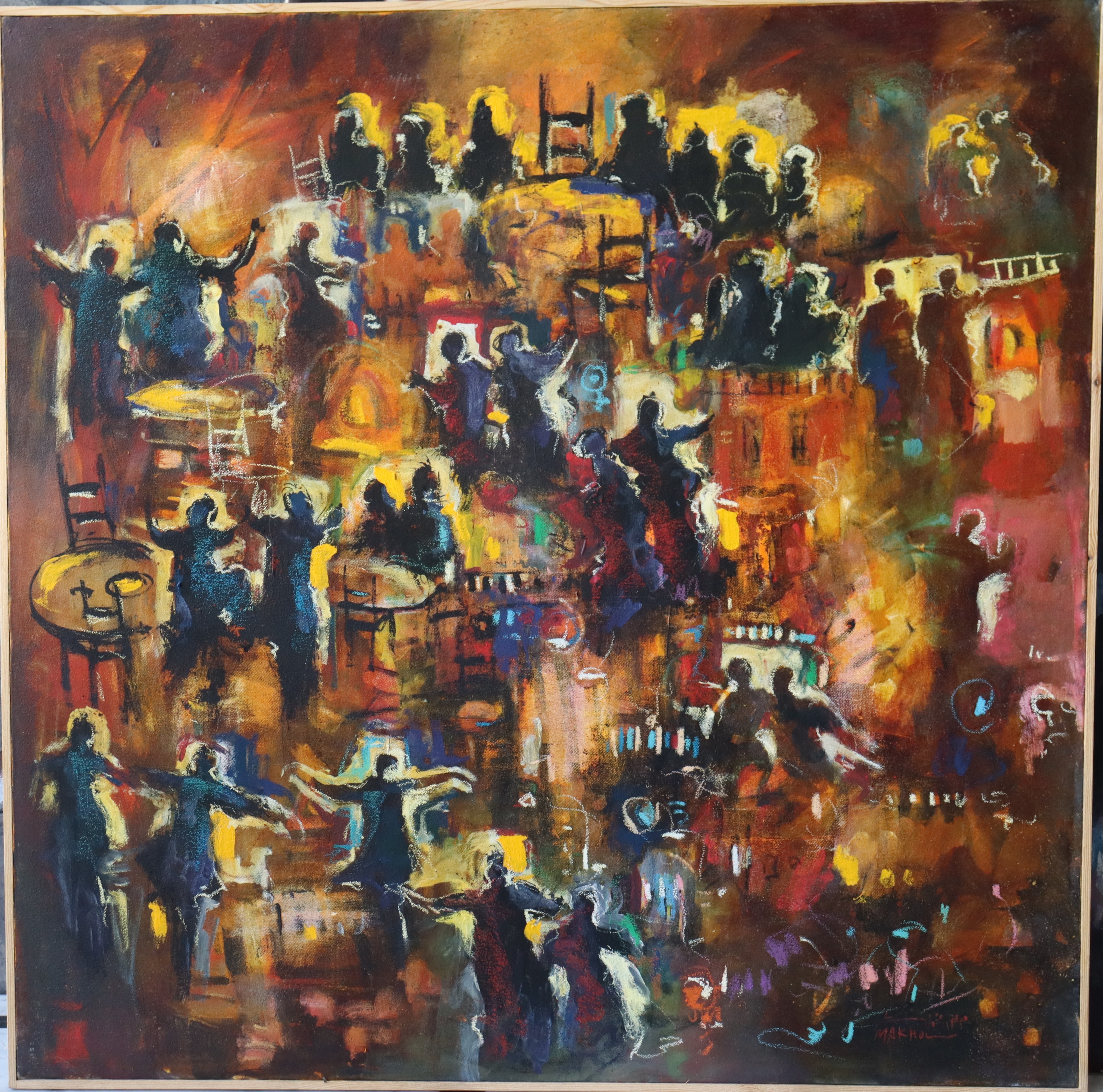
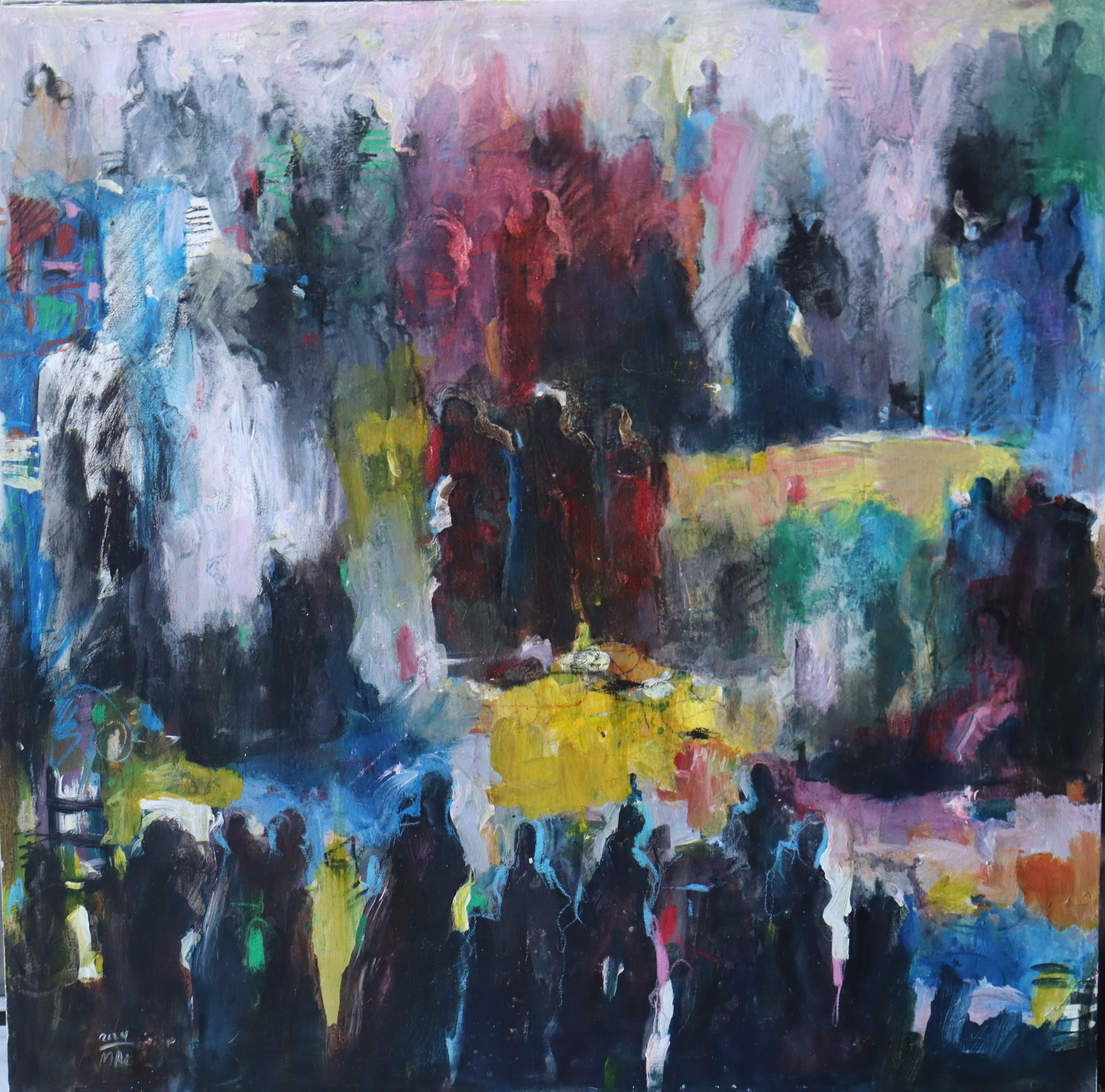
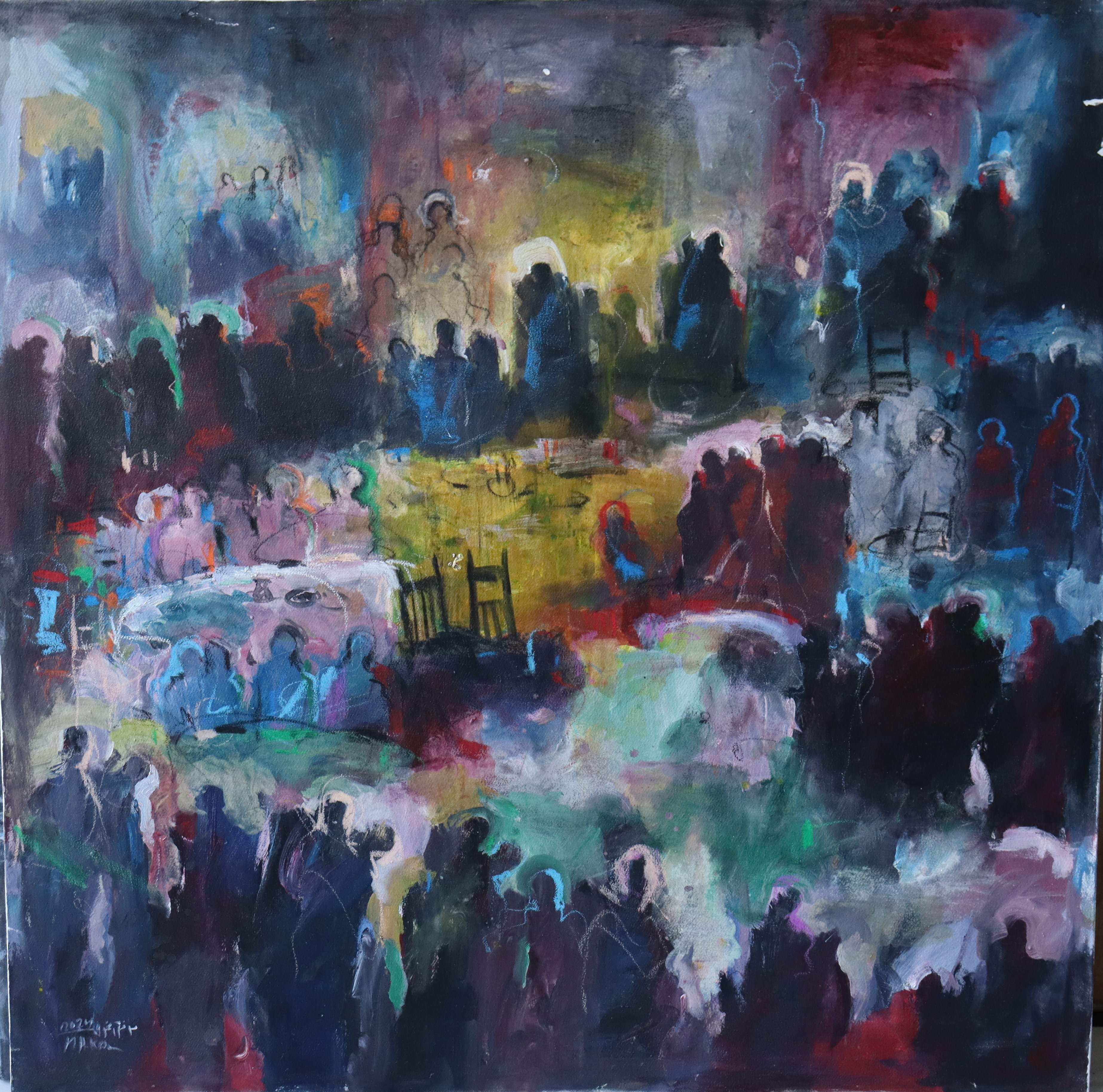
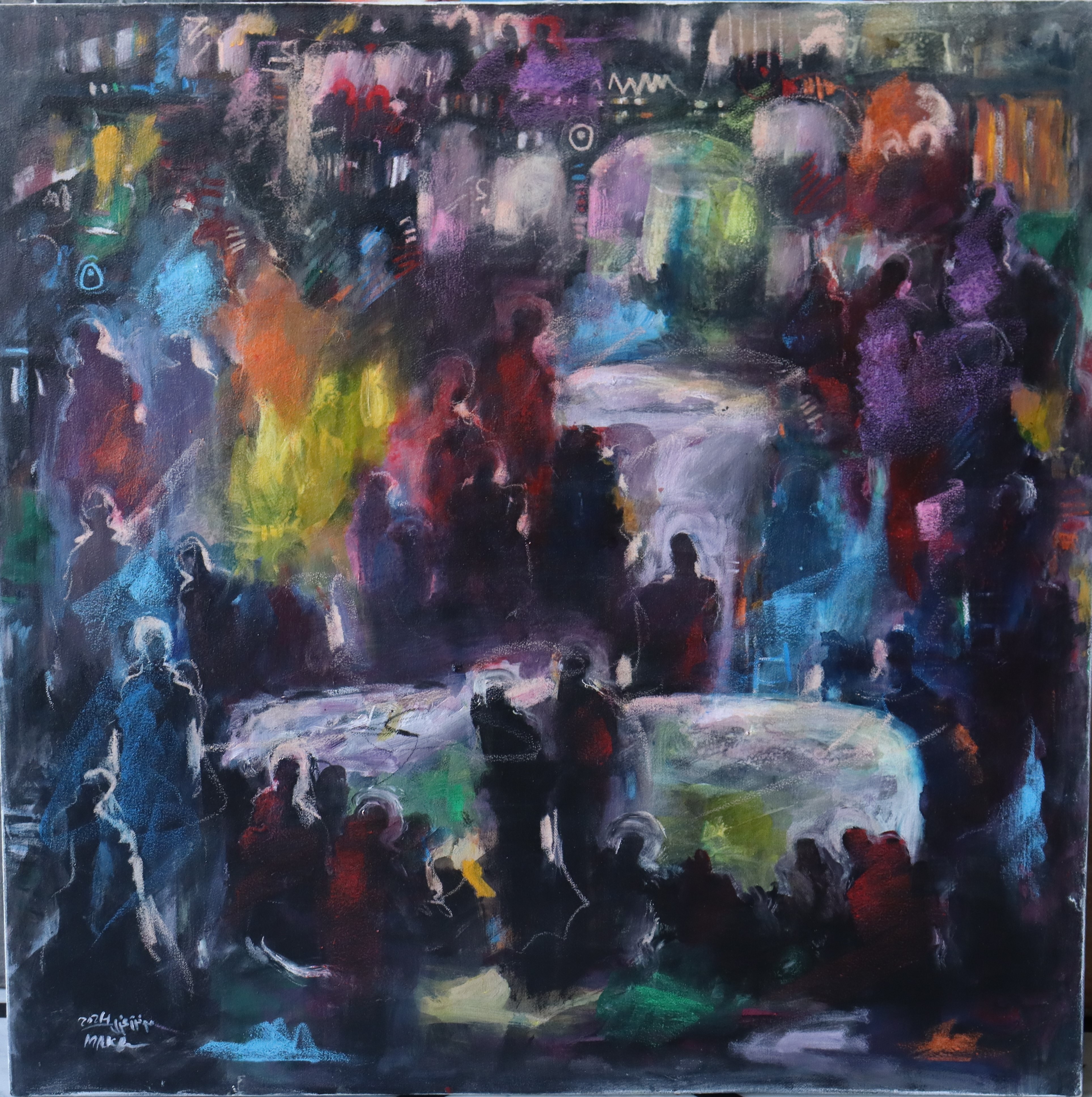
His studio work is equally profound, characterized by a deep,
philosophical exploration of the "Syrian human" throughout history.
Moving between abstraction and expressionism, Makhoul’s paintings often utilize
acrylics and mixed media to create layers of "spiritual memory." He
views his canvases as dialogues, prioritizing the "intelligence" and
"mystery" of a work over simple aesthetics. Whether through his
vibrant street murals or his intimate studio pieces, his art remains a silent,
powerful message of resilience and humanity.