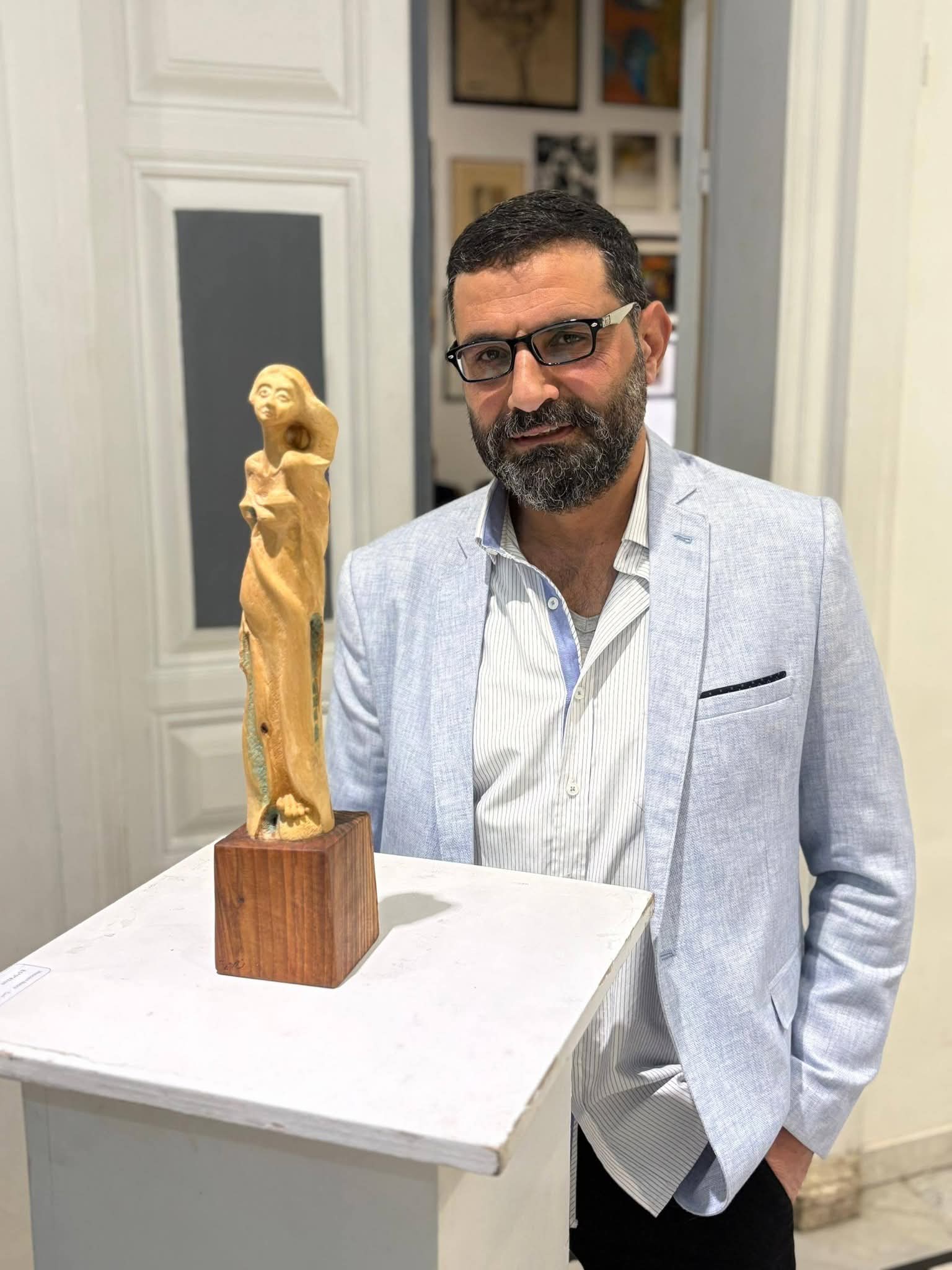
Husam Nasra (b. 1978, Salameh, Hama, Syria)
Husam Nasra is a contemporary Syrian sculptor whose work explores the emotional and expressive potential of the human figure. Born in Salameh, Hama, in 1978, he studied sculpture and fine arts privately before graduating from the Ahmad Walid Ghazal Center for Applied Arts. He has also participated in artistic workshops in Russia and numerous group exhibitions in Syria and abroad.
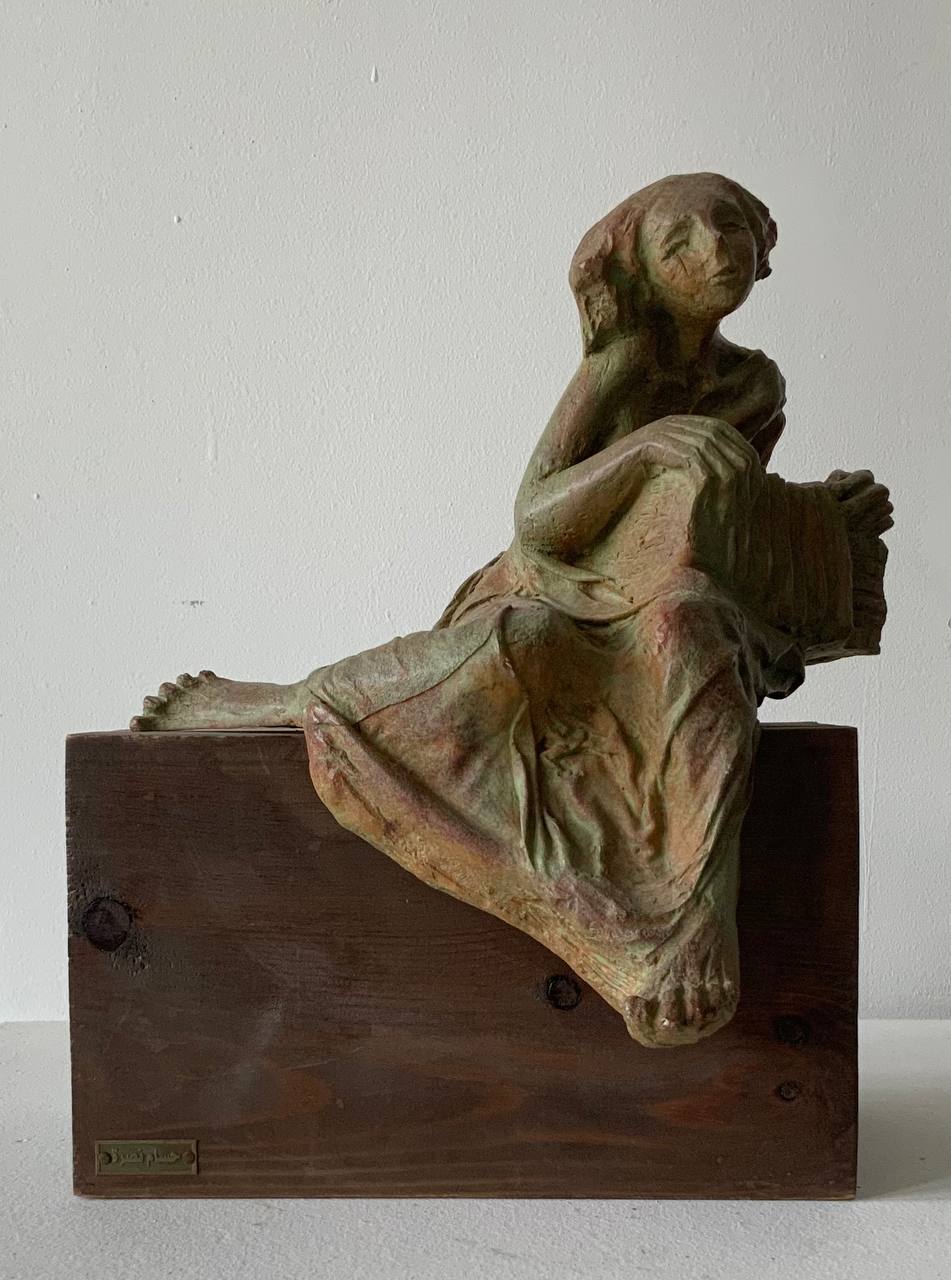
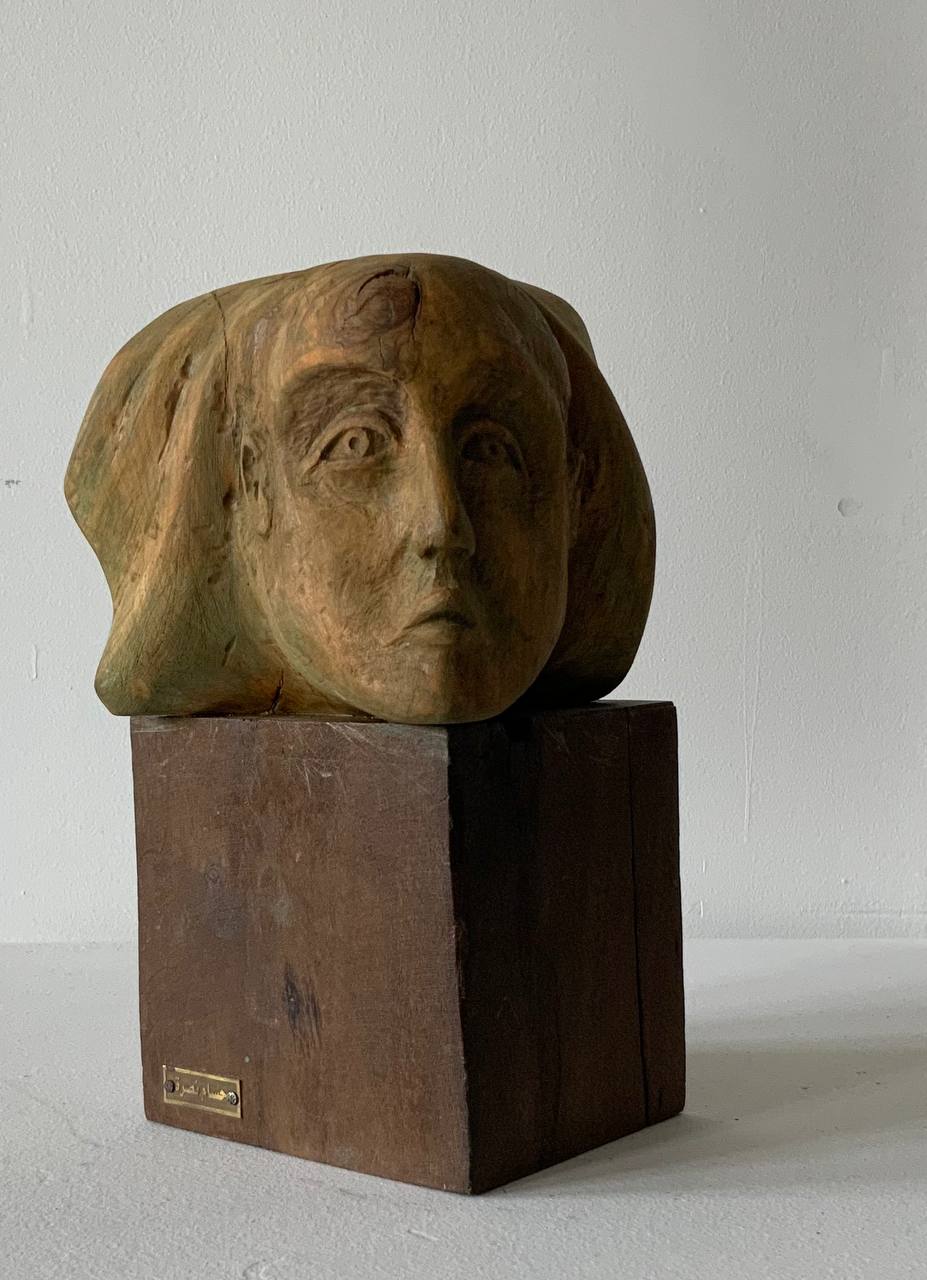
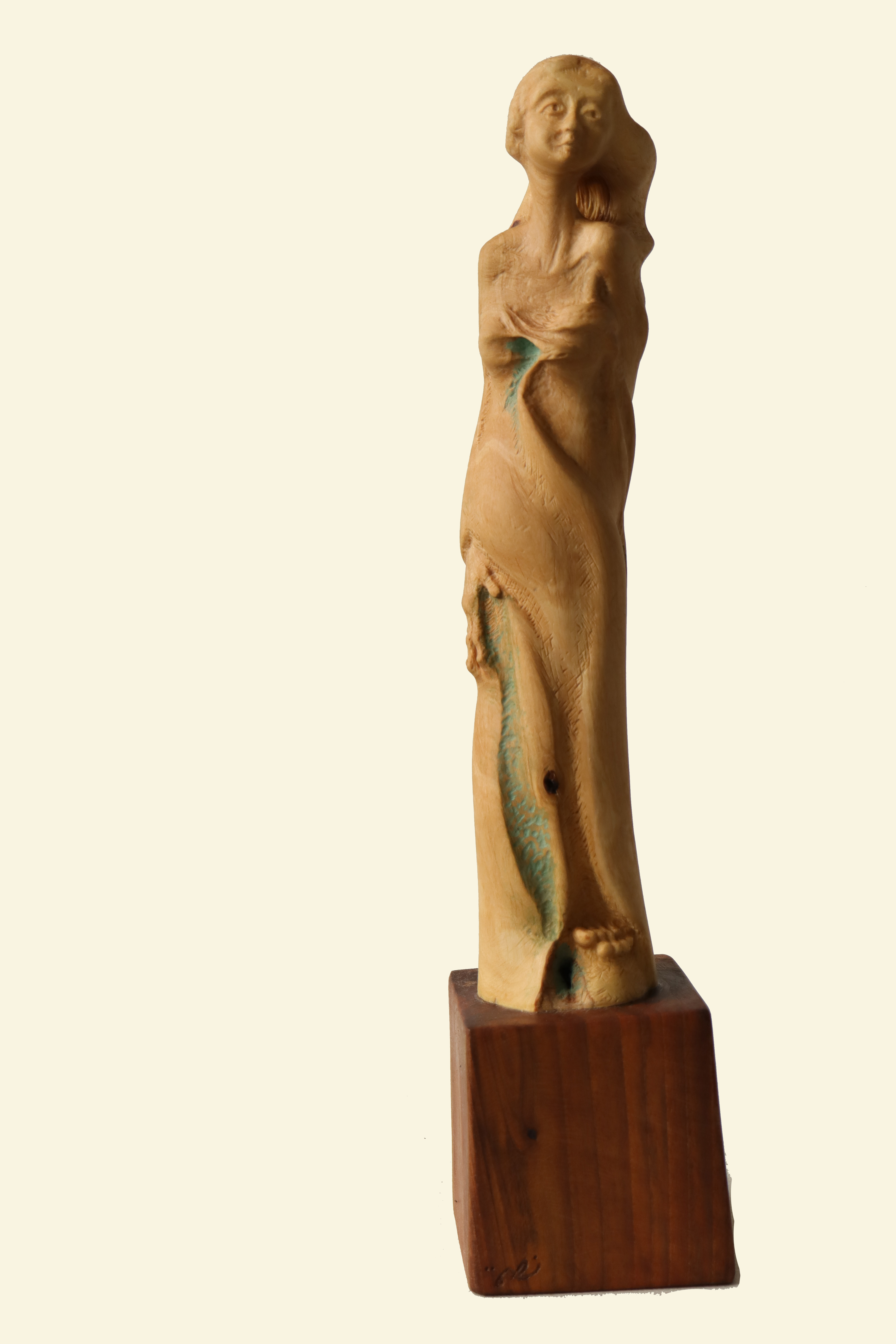
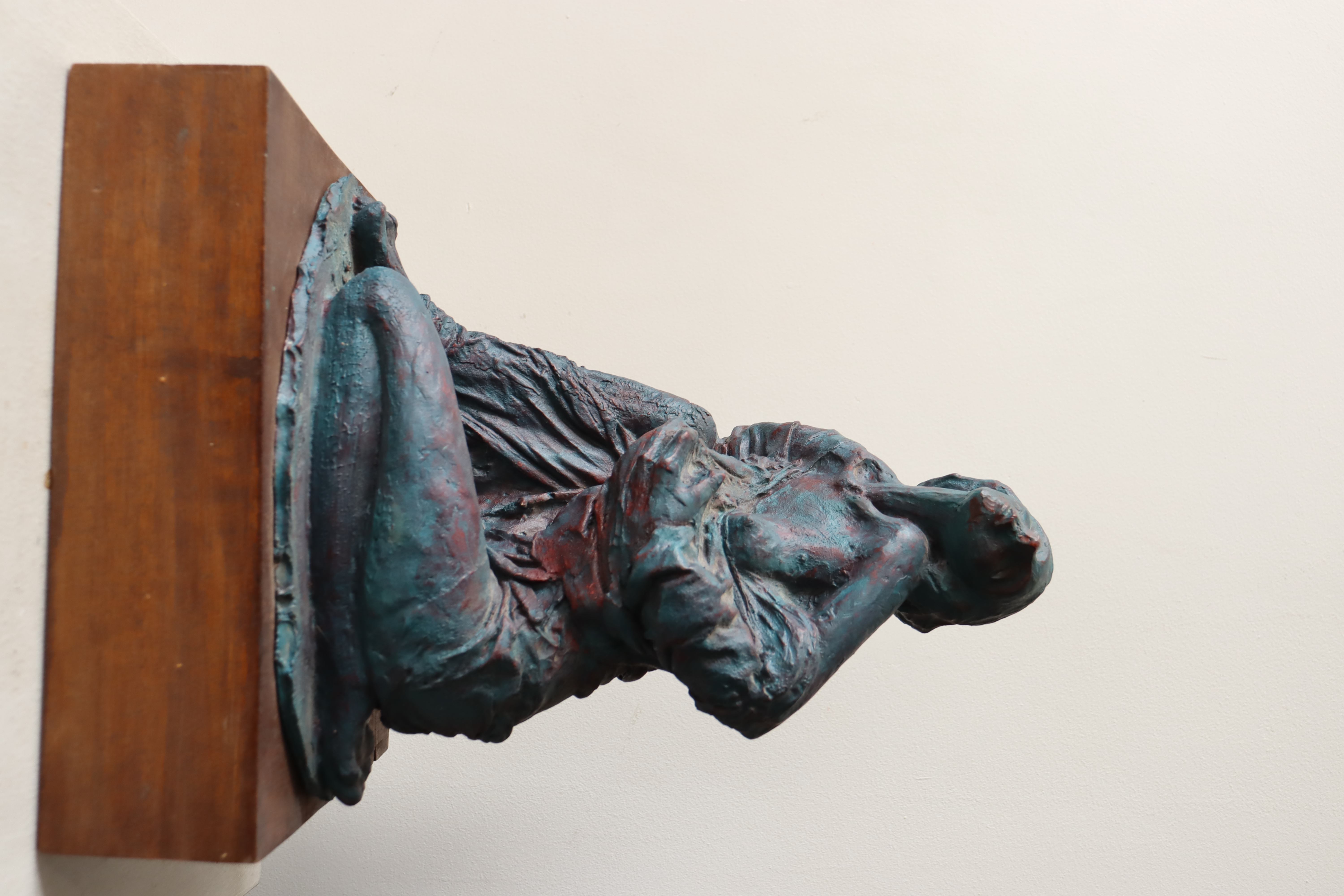
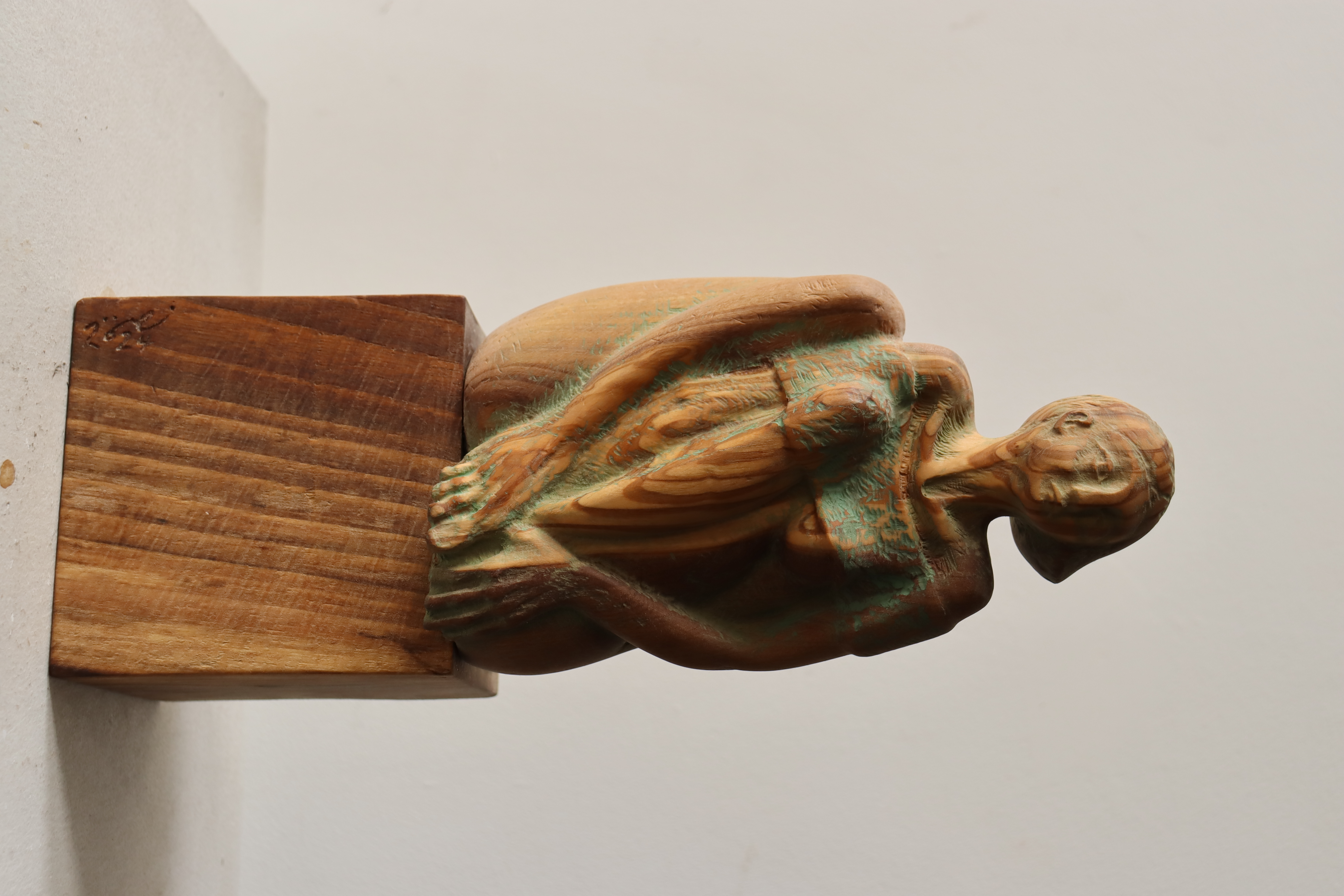
Nasra's sculptural language is rooted in the human body, which he transforms into a vehicle for expressing memory, emotion, and inner experience. His figures are often characterized by expressive gestures, flowing contours, and carefully balanced forms, with particular attention to the psychological presence of the subject.
The female figure occupies an important place in his practice. Rather than focusing on anatomical precision, Nasra uses the body to communicate states of contemplation, vulnerability, tenderness, and resilience. His treatment of surfaces and volumes gives his sculptures a tactile quality, allowing light and shadow to emphasize the emotional intensity of the figures.
Nasra's work has also evolved in response to the profound changes experienced by Syrian society. His sculptures have at times become more inward-looking, portraying figures that appear withdrawn, anxious, or burdened, while other works suggest movement, renewal, and hope. For Nasra, sculpture becomes a form of visual memory—an intimate record of both personal experience and the wider human condition.
His sculptures have been presented in collective exhibitions and are held in collections in Syria and abroad. Today, Husam Nasra continues to develop a distinctive sculptural practice in which the human figure, memory, and emotion converge, transforming the solidity of sculpture into a sensitive expression of the inner life